Backpacking Andalucia On A Budget In 2026
Considering backpacking Andalucia for your next adventure? Fantastic idea!
This vibrant region in southern Spain is packed with unique Moorish architecture, flamenco, and picturesque whitewashed villages.
Also, it is one of the cheapest regions in Spain, so it’s perfect for budget travelers and backpackers.
But with so much to see, planning your route can be tricky. After several trips across Spain, I’ve crafted the ultimate guide to help you explore Andalucia affordably and make every moment count.
Disclaimer: This post may contain affiliate links, which means I may receive a commission, at no extra cost to you, if you purchase through a link. See my Disclosure Policy for more information.


Top Reasons To Backpack Andalucia
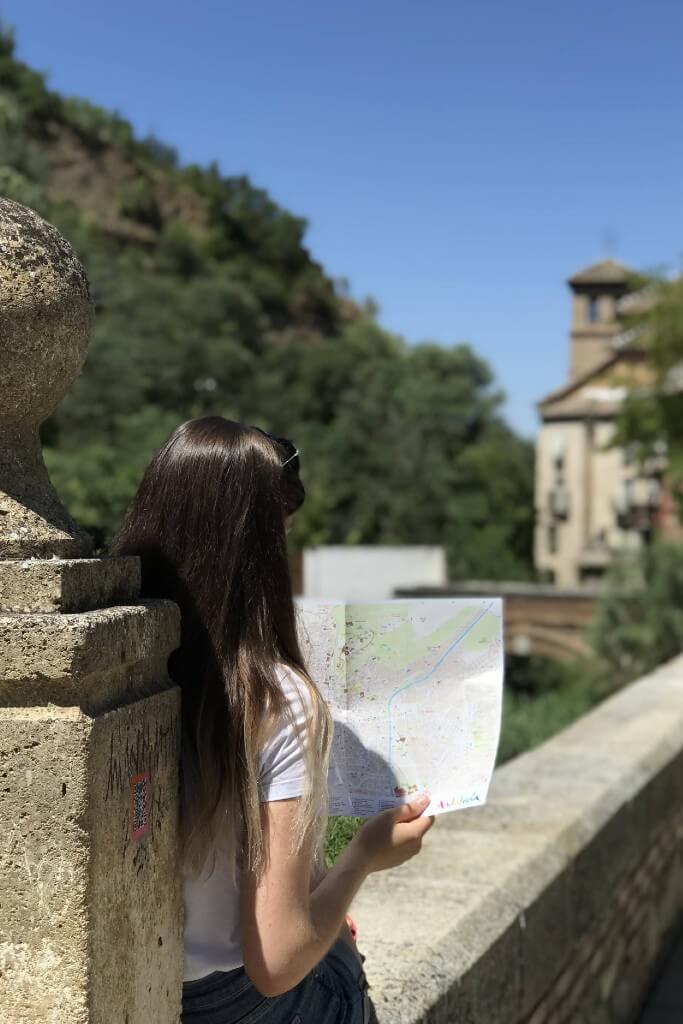
Andalucia is a great backpacking destination, and you can easily discover Andalucia without a car.
- There are many vibrant towns and cultural attractions to see in Andalucia,
- You can explore Andalucia on a budget and without a car!
- Andalucia is a backpacker-friendly destination, with many backpacker hostels!
Best Time For Backpacking Andalucia
The best time to visit would be March to June, as well as September and October.
I visited Andalucia in June, and I would recommend everyone plan their trip to avoid July and August if possible.
It was already scorching in June to the point where I would go back to my hostel from 2 pm to 5 pm because it would be too hot to do anything.
Winter temperatures in Andalucia are comfortable, so it is a great destination for backpacking in winter as well!
The accommodation will be cheaper, and there will be no crowds. Especially compared to Barcelona or Madrid!
If you are visiting to discover the culture and history of the region, visiting in the shoulder and off-season is the best time to do it. If you are brave enough, you can even go to the beach starting in April!


How To Get To Andalucia, Spain?
Most bigger cities in the region have international airports, making it relatively easy to reach Andalucia from all over Europe.
Malaga has the biggest airport in the region, so it makes it a perfect flying-in or flying-out destination.
There are also international airports in Sevilla, Granada, and Cordoba, but they cover fewer destinations.
Another option would be flying into Madrid and taking a regional flight, a train, or a bus to Andalucia – for example, to Sevilla.
Use this website to find the best route! You can add multiple destinations to figure out which one works best for you. ✈️
Once you’re in Spain, the country is very well connected by public transportation.
I used both buses and trains to get around, and both worked perfectly!
I like to book my bus and train tickets with Omio, as I can compare the prices between different operators.

Best Places To Visit In Andalucia
There is so much to see in Andalucia, but relaxing and enjoying the laid-back southern vibes is part of the experience too!
Focus on a couple of destinations that you explore in-depth instead of just jumping around from destination to destination!
The top three places to visit in Andalucia are Sevilla, Granada, and Cordoba.
If you’re wondering if Seville or Granada is better for backpackers, they are both great and should be on your itinerary!
Backpacking Seville
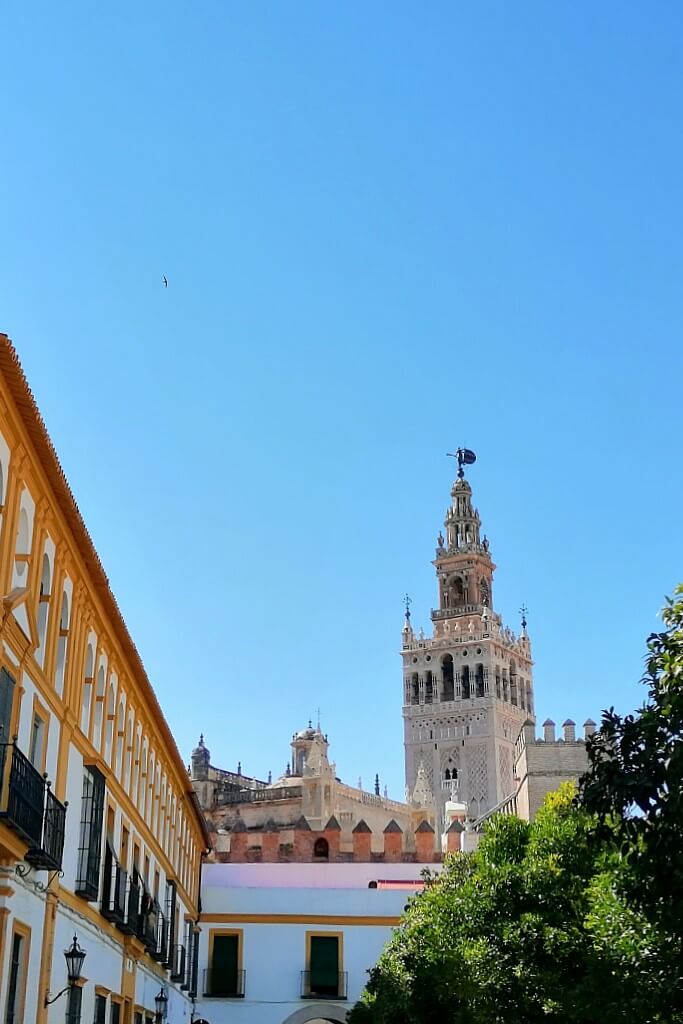
When you picture southern Spain, tapas, flamenco, and sangria, you’re likely imagining Sevilla.
This vibrant city perfectly captures the relaxed spirit of Andalucian culture.
Stroll along cobblestone streets, lose yourself in the maze of historic alleys, and take in the beauty of the iconic Plaza de España.
Soak up the sun on a lively terrace, sip sangria, and savor delicious tapas as you embrace the Sevilla vibe.
Backpacking Granada
Probably the most famous Andalucian landmark is the Alhambra of Granada. Majestically overlooking the city of Granada, this UNESCO World Heritage Site is a truly must-see sight.
Even if you do not want to pay to get in, which I recommend you do, looking at it from the Mirador de San Nicolas shows all the glory of the Islamic culture that once ruled over Andalucia.
Granada is also a great starting point for a lot of hikes in the region! If you want to explore the great outdoors, I suggest spending a couple more days in Granada.
Backpacking Cordoba
You might wonder if it is worth visiting both Cordoba and Granada or if they are too similar.
I say you should visit both!
Cordoba is smaller than Sevilla and Granada. In the 10th century, it was the capital of the Moorish al-Andalus caliphate.
Today, it is home to the UNESCO World Heritage Mezquita, also known as the Great Mosque of Córdoba. The history of that place is truly amazing.
Since it is a smaller town, I found that spending one night there was enough, but it is not to be missed.
See all tourist attractions in Cordoba on a budget with this combo skip-the-line ticket! Book in advance as it can sell out in high season! ☀️
Backpacking Malaga
Malaga will probably be on your list since it is a convenient place to start or end your adventure. It is a good base for day trips as well.
Malaga is a big city, and I did not find that it had the same charm as the ones above-mentioned.
Still, there is a lot of history to discover and lots of parties to have there as well.
You get to visit the old town of Malaga, the old Alcazaba, and the Castillo de Gibralfaro.
I was not impressed by Malaga’s beaches, so for that, you will probably need a little day trip out of the city.
Other Places To Visit In Andalucia
Now that you have your base, you can add more places to your itinerary. These are great day trips in Andalucia!
- Ronda
- Nerja
- Caminito del Rey (hiking!)
- Tarifa (surfing!)
- Cadiz
- Gibraltar
I only had 7 days in Andalucia, so I did not have time for these. I will try to visit next time I am in the region!
Depending on whether you start in Malaga or Seville, you can also continue your trip to Madrid or Portugal!


How Many Days Do You Need In Andalucia?
There is so much to see in Andalucia, but how much time should you spend at each destination?
I recommend spending at least two nights in each of the big cities.
Ideally, you would want to spend three days in Seville and Malaga. They are a great base for day trips around the region and even just by themselves!
If you only have one week in Andalucia, I would stick to the three big cities and enjoy them.
If I had two weeks in Andalucia, I would add some smaller towns to the itinerary or even a couple of days surfing in Tarifa, if that is something you would be interested in!


Getting Around Andalucia (Without A Car)
The region is well connected by an extensive line of buses and trains.
It is possible to reach virtually every notable tourist destination by reliable public transport, which is perfect if you’re backpacking Andalucia on a budget.
Andalucia By Train
Trains are usually the most comfortable and convenient option for traveling in the region. The RENFE rail network connects most of the towns in the region and the rest of the country.
The train will usually leave you in the city centre, and all you have to do is board the train and enjoy the ride. However, it also tends to be a more expensive form of transportation.
I took a train from Madrid to Sevilla, and it was a very pleasant and quick journey!
🚈 Book your train tickets in advance! They are so much cheaper the earlier you book them.
Andalucia By Bus
Buses will almost always be cheaper than trains and sometimes even quicker! Also, they go to places where trains do not, so it is easier as they are a direct form of transportation.
You can book the tickets online or at the bus station.
If you travel in summer, I highly suggest you book your bus tickets well in advance – firstly, because they tend to be cheaper and secondly, you don’t want them to sell out!
The main bus operator in Spain is ALSA, but there is also Flixbus and some regional operators as well!
Use an app like Omio to compare prices and travel times between buses, and they are sometimes dramatically different!
Renting A Car in Andalucia
A lot of people choose to rent a car for a road trip in Andalucia. It is a great way to visit the smaller attractions in the region.
Renting a car can be cheaper if you are in a group and everybody chips in to pay the rental price.
I always use this website for renting a car! They browse different rental companies so I can choose the ones that offer the best rental conditions.
Another option to consider is car-sharing, which is quite popular in Spain. Apps like BlablaCar allow you to share car journeys and travel around the country affordably.

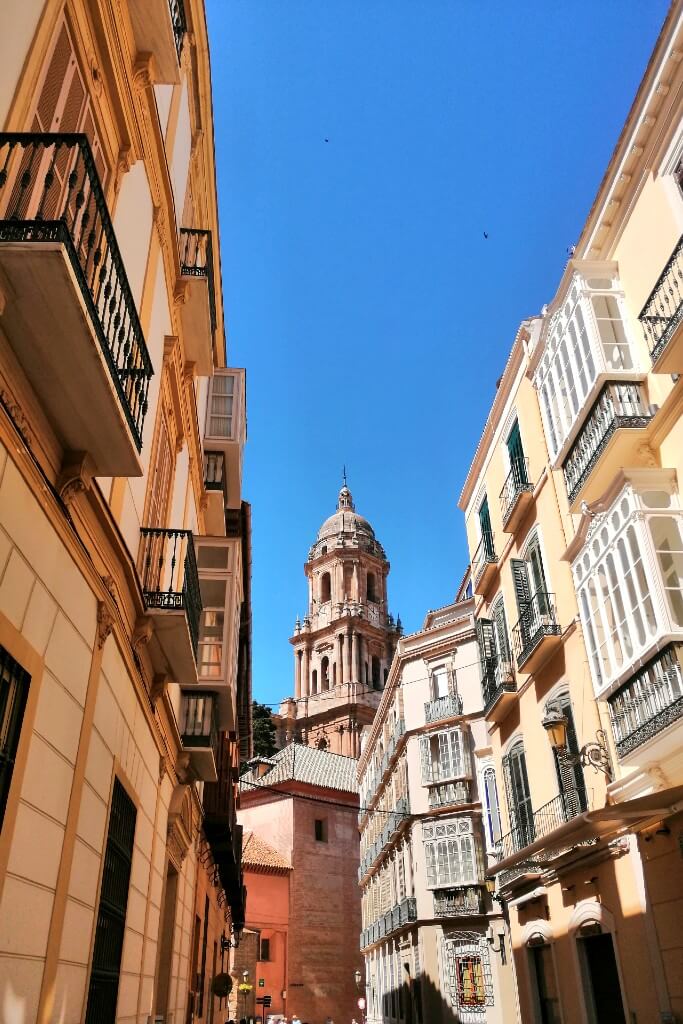
Where To Stay When Backpacking Andalucia?
Andalucia is a popular region with accommodation options for every budget!
I opted for a mix of hostels and budget-friendly private rooms as I was traveling with a friend.
I will always recommend staying in the city center – that is usually where most of the attractions are.
You will be close to everything, and my personal favorite, you will not have to wonder how to get home at night. Most of the hostels are usually located in the city center anyway.
Best Hostels In Andalucia
- ☀️ Best Hostel in Seville: Oasis Backpackers’ Palace Sevilla
- 🌍 Best Hostel in Cordoba: Backpackers Al-Katre
- 🎒 Best Hostel in Granada: ECO Hostel
- 🌴 Best Hostel in Malaga: The Lights Hostel
These hostels do not offer just a place to sleep but also organize events, walking tours, and nights out, which is a great way to make friends in hostels!
Some offer free breakfast and coffee/tea, which is always good to start your day.
To save money when backpacking in Europe, I always look out for hostels that have a communal kitchen with a fridge.
Preparing your food will save you a ton of money in Spain because the supermarkets are pretty affordable.
Staying in private accommodation
If you’re traveling with a friend, it might be cheaper to stay in hostals or pensions.
They are usually smaller family-run accommodation options, somewhere between hostels and hotels.


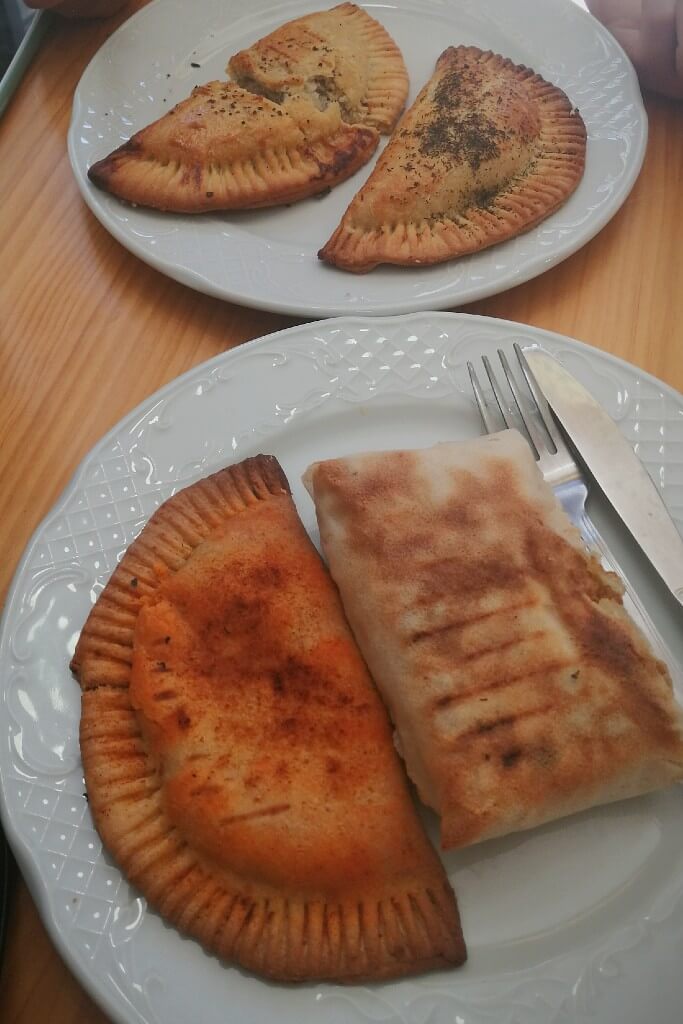
Vegan Restaurants In Andalucia
Southern Spanish cuisine is largely meat-based, but that does not mean that there aren’t some amazing, accidentally vegan, traditional meals.
The vegan scene in Andalucia is growing, slowly but surely. However, it cannot yet be measured with Madrid and Barcelona, which were both vegan heaven.
I recommend using the Happy Cow app to see the vegan options in the city you are visiting. That is always the first thing I do when I come to a new city.
Supermarkets have many vegan alternatives to choose from! You do not need to look for specialized stores to get your vegan staples. Different types of plant-based milk are readily available.
There are several Spanish brands of vegan meat substitutes; for example, the brand Huera is very popular.
Vegan food won’t always be marked as vegan, so look through the ingredients for accidentally vegan cookies and snacks.
Accidentally Vegan Spanish food
You will not find fully vegan restaurants in smaller towns, so it is good to know that there are traditional Spanish foods that are vegan.
Famous Spanish cold soups are usually accidentally vegan. The soups might be topped with ham or egg, but you can ask them to leave it off.
Some of the tasty soups I had were gazpacho and salmorejo, but crema de verduras and ajo blanco also tend to be vegan!
You can always go for salads and patatas bravas (as long as they serve it without mayo).
You might have to make a meal out of multiple side dishes, but it is not weird here! It is common, even for locals, to have a lot of small meals intended for sharing.
That is the beauty of tapas culture and good for your backpacking Andalucia budget.
Did you know that churros are accidentally vegan? Now you know!
They are a popular snack in the region, so you will be able to find them easily. Unfortunately, you’ll have to pass on the chocolate sauce they usually serve it with.
Due to its Mediterranean climate, fruits and vegetables are plentiful in Spain. You can enjoy very affordable and tasty produce at local markets.
Can You Drink Tap Water In Andalucia?
Yes! Tap water is safe to drink in Andalucia, so pack your reusable water bottle.
Even better, there are water fountains with fresh, cool water everywhere, so you can easily refill your bottle and stay hydrated.

Backpacking Andalucia Budget
So, how much does it cost to backpack Andalucia?
I suggest budgeting 40€ to 80€ per day, depending on when you visit.
Andalucia is a pretty affordable region in Spain, but it is not as cheap as SE Asia.
Your budget will largely depend on when you decide to visit since the prices tend to fluctuate seasonally.
Here’s how much you should budget per day for each category:
- Accommodation: 20€ to 50€
- Food: 15 to 30€
- Transportation: 0€ to 20€
- Activities: 0€ to 40€
For accommodation prices, you are looking at between €20 to €30 per night in a decent hostel. Cheaper hostels exist, but best rated hostels are around €20 per night.
If you decide to stay in a private room, they start at around €40 per night.
Assuming you are going to eat out only once a day, you could be spending around 15€ a day on food.
I suggest that the meal is lunch because their menu de dia is a great value for money.
If you plan to have both of your big meals out, then it will cost you closer to 25-30€.
The drinks are 2,5-5€. I suggest trying Tinto de verano, which is usually around 2,5€ and Sangria is usually around 3€.
Other “local” traditional drinks Vino de Naranja and Vermouth, are usually around 2-3€ as well.
The best part? Free tapas that you will get with your drink can count as dinner!
For the activities, I would budget tips for free walking tours I love those.
Entry tickets to the Mesquita, Alhambra, and other attractions are around €15 to €20, so it depends on how many you want to visit.
Buses and trains between cities are 10-20€, so you have to count that in for the traveling days.
Final Thoughts: Backpacking Andalucia
Andalucia is truly one of the most vibrant European regions that should be on your radar!
It’s a great destination for backpackers with many fun things to do, a unique history, and you can easily visit on a budget!
Now that you know everything about travel in Andalucia, where else are you going?
Here’s the ultimate Spain backpacking guide to help you plan the rest of your trip!