How Much Does Backpacking Europe Cost In 2026?
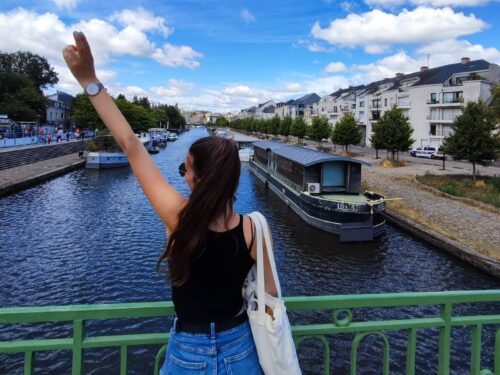
Are you wondering how much backpacking in Europe costs? You came to the right place!
Backpacking across Europe is an epic experience, and doing it on a budget is an adventure in itself!
I backpacked Europe many times in the past 10 years, from a short 1-week 1-country backpacking trip to a month-long multi-country backpacking adventure.
I know crafting a perfect backpacking Europe budget is complicated, with many things to factor in.
The cost of backpacking Europe varies widely depending on your destination and travel style. Expenses also differ for solo female travelers compared to couples who can split costs.
Let’s find out exactly how much money you need to backpack Europe!
Disclaimer: This post may contain affiliate links, which means I may receive a commission, at no extra cost to you, if you purchase through a link. See my Disclosure Policy for more information.

Backpacking in Europe Budget Breakdown
It is crucial to have an overview of how much it costs to backpack Europe to see how far in advance you need to start saving money to travel.
We’ll calculate the cost depending on how long your trip is, so you get an overview of the cost of backpacking Europe for 3 months or a week.
Of course, this is an estimate based on the average budget-friendly backpacking style, with occasional splurges on bucket-list experiences.
Backpacking in Europe costs per day:
- Accommodation: 30-50€
- Transportation: 0-20€
- Public transport: 0-10€
- Attractions: 10-20€
- Food: 10-25€
- Drinks: 0-15€
- Buffer money: 15€
- TOTAL: 60 -150€ per day
Cost of backpacking Europe for 2 weeks: 650-1200€
Cost of backpacking Europe for 1 month: 1200-2500€
Cost of backpacking Europe for 3 months: 3000-6000€
Keep reading to see what is included in these estimates and how you can keep your backpack across Europe budget low without sleeping in a tent in parks.
Before The Trip Expenses
Your spending for backpacking Europe starts even before you leave for your trip.
I didn’t include these expenses in the estimate above, as they will differ for everybody.
If you’re already in Europe, you can take a 10€ Flixbus to your destination. But if you’re coming from Australia, your flight could be over 1000€!
Similarly, you might already have all the necessary equipment, so you don’t have to spend an additional 100€ buying a new backpack for backpacking Europe.
That being said, your before-trip expenses can be anywhere from 100€ to 1500€.
Travel Insurance
Getting travel insurance should be a non-negotiable. Even if you’re European, your European health card only covers absolute emergencies – not nearly as much as designated travel insurance.
Finding the perfect travel insurance might seem complicated. Many will require you to get your insurance policy from your home country before your trip and to let them know your exact route.
I love the idea behind SafetyWing. It is a travel medical insurance that was created by nomads for nomads. You can sign up from abroad, even if your trip has already started.
You’re covered in 185 countries, and you don’t need to let them know about your itinerary in advance. They also include insurance in case of phone or camera theft.
I use SafetyWing every time I go backpacking, and they saved me in Asia and reimbursed my medical expenses in just a few days! Get your SafetyWing quote here!
Flights to Europe
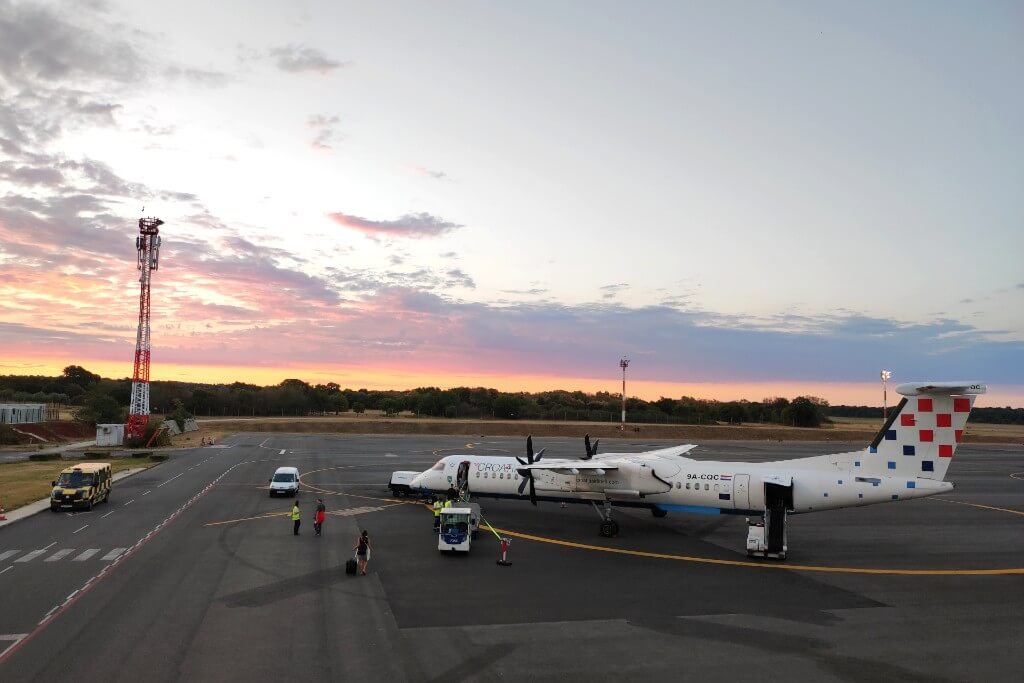
Flying to Europe can get very expensive, so start tracking flight prices as soon as possible!
If you don’t have to start your trip from a specific spot, the best place to start backpacking in Europe is the one with the cheapest flights!
Go on Skyscanner and select the “everywhere” option to see where the cheapest place in Europe is to fly to.
Once I have a rough idea of where to fly, I also like to check Kiwi for their multi-country option.
Backpacking Equipment
This category covers all the backpacking essentials you want to get before your trip.
Whether you need a new European backpacker wardrobe, or toiletries, or you want to get a new backpack for backpacking Europe, those costs add up.
A good backpack will cost you around 100€, and only you know how much you can spend on clothes. You might want to get toiletries or a reusable water bottle, and those things add up!
Europe Visas
It is crucial that you know the Visa policy for every country you plan on visiting and factor in Visa costs if you need to get one.
The UK has recently introduced the Electronic Travel Authorization, which you need to apply for before traveling to the country, even if you don’t need a visa!
If you’re staying within the EU, a Schengen Visa covers all EU and Schengen countries.

Europe Backpacking Trip Cost
Once all your pre-departure expenses are settled, let’s get into planning your item-by-item backpacking Europe budget.
I will give you a range for each item, the lower end for shoestring backpackers and the higher end for flashpackers.
When you’re backpacking, each day will be different. Some days you might be on the lower end of your budget, and some you might spend more than expected. Usually, it should even itself out throughout your trip.

Accommodation costs
If you’re backpacking Europe on a budget, then staying in hostels is a given. Especially as a solo traveler, it is the cheapest option.
On average, you should budget around 20-40€ per night for a dorm bed in a hostel in the low season, and 25-50€ per night in the high season.
Even if you think you’re too old for hostels, you’ll quickly see they are popular among all age groups in Europe!
How much do hostels cost in Europe?
Hostel price will depend on your destination and the hostel type. When you check Hostelworld, you can find hostels for anywhere from 10-80€ per night.
Hostel prices increased dramatically in the past couple of years. Years ago, I considered 15€ hostels a luxury; that’s the lowest you can find in many countries these days.
The average hostel price in Europe is 20-35€ per night.
However, hostels in the most popular backpacking destinations in the summer like Barcelona or Paris, are around 100€ per night on the weekends!
I was quite shocked when planning my last trip, as the prices increased dramatically.
Hostels in Eastern Europe will be on the lower end of that average, while the best-rated hostels in Paris or Dublin are rarely under 50€ per night.
The best social and party hostels will be more expensive than the basic “place to sleep” type of hostels.
If this is your first time staying in a hostel, I share everything you need to know in my in-depth hostel guide.
Staying in hotels and private accommodation
If you’re backpacking Europe for two months or longer, you might get tired of dorm rooms. The truth is, they aren’t very glamorous.
There will be nights when you won’t be able to sleep because somebody in the bed next to you is snoring.
Private rooms in hostels and budget hotels cost around 50€.
When and where to book private rooms?
If you want to save money, book private rooms in cheaper countries and places where it’s not high season.
In July, a hotel room in Barcelona will cost you about 100€ per night. But a private room in Warsaw costs only 40€.
Private rooms are expensive when you’re a solo traveler, but divided between two, they can be cheaper than a hostel bed. If you make a friend group while backpacking around Europe, booking an Airbnb for your whole group might also be an option!
For example, when I was backpacking in Andalucia, it was sometimes cheaper for my friend and me to book private rooms than hostels!

Transportation across Europe
Transportation and accommodation will be your greatest, non-negotiable costs when backpacking across Europe.
So, how to travel from one country to another without killing your budget?
Travel slowly and create a logical itinerary with small distances. That way, you can keep the transportation budget at around 20€ a day.
Traveling across Europe by train
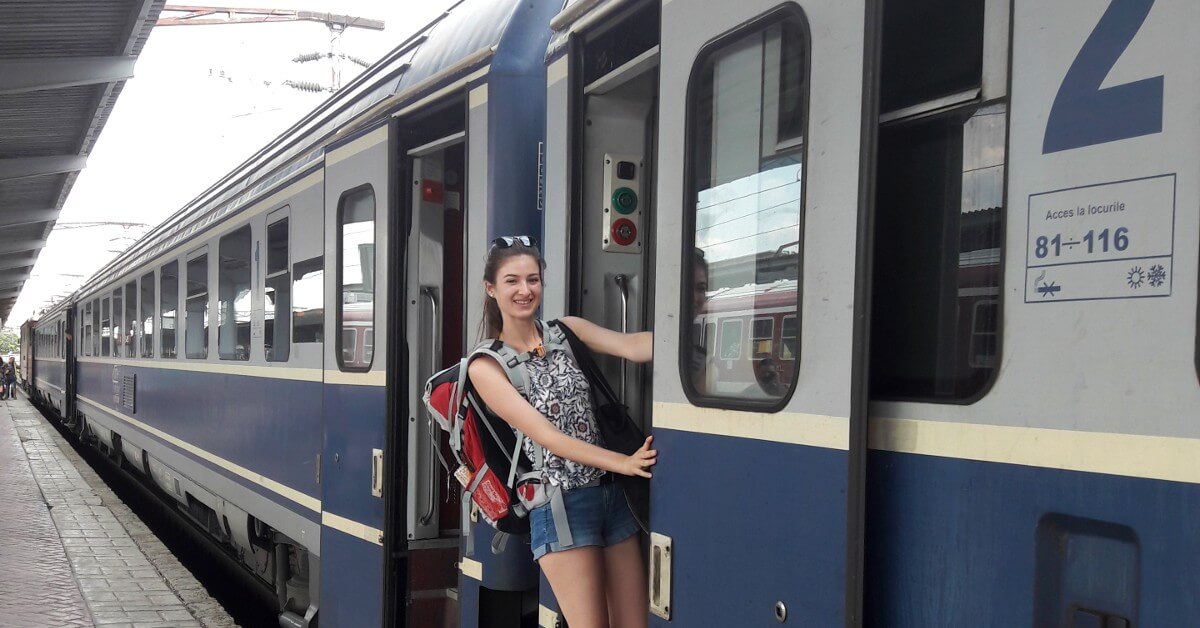
Train travel in Europe is expensive, especially in Western Europe.
Yet, there are ways to save money on train travel. The best is to book in advance, and the other is to get a rail pass.
If you buy your train tickets a month to two in advance, your tickets for long-distance trips can be up to 80% cheaper!
In countries where ticket prices increase as the departure date approaches, you can potentially save hundreds of euros by booking in advance!
This method works in France, Spain, Portugal, and many more countries. On the other hand, train prices within Croatia and Belgium don’t change regardless of when you book.
Interrailing in Europe is another popular way to save money on trains. Check the Eurail Global Pass rules and decide if it is worth it for you!
The obvious advantage is that you can be spontaneous and adapt your route as you go along.
Traveling across Europe by bus
I know booking all your transportation months in advance is not the best way to enjoy the spontaneity and freedom of a backpacking trip.
So, if you want to stay spontaneous and on a budget, you’ll have to get a Eurail Global pass or prepare to spend long hours in Flixbus long-distance buses.
Honestly, I don’t mind long-distance buses, and most backpackers use them. However, I have friends who can’t stand the idea of staying on a bus for more than 2 hours.
I like to use Omio to compare the prices of trains and buses to make sure you pick the best option! It is also a great place to book local buses from operators you wouldn’t have known about otherwise.
Cheap flights in Europe
Believe it or not, sometimes it’s cheaper to fly to your destination than to take a train or a bus.
I use Skyscanner and their Everywhere option to find the cheapest flights.
Renting a car in Europe
Likely, you won’t need to rent a car when backpacking in Europe. But, there might be parts of your backpacking Europe route where renting a car for a day or two is worth it.
Some places that come to mind where I appreciated having a car are Transfagarasan Road in Romania, a road trip down the Croatian coast, and visiting mountain villages in Naxos when island hopping the Cyclades.
I use Discover Cars for renting cars throughout Europe, as they compare prices of all rental companies available at your destination, so you can pick the best option.
Split between 3-4 people, renting a car can be cheaper than getting a bus.
Public transport in the cities
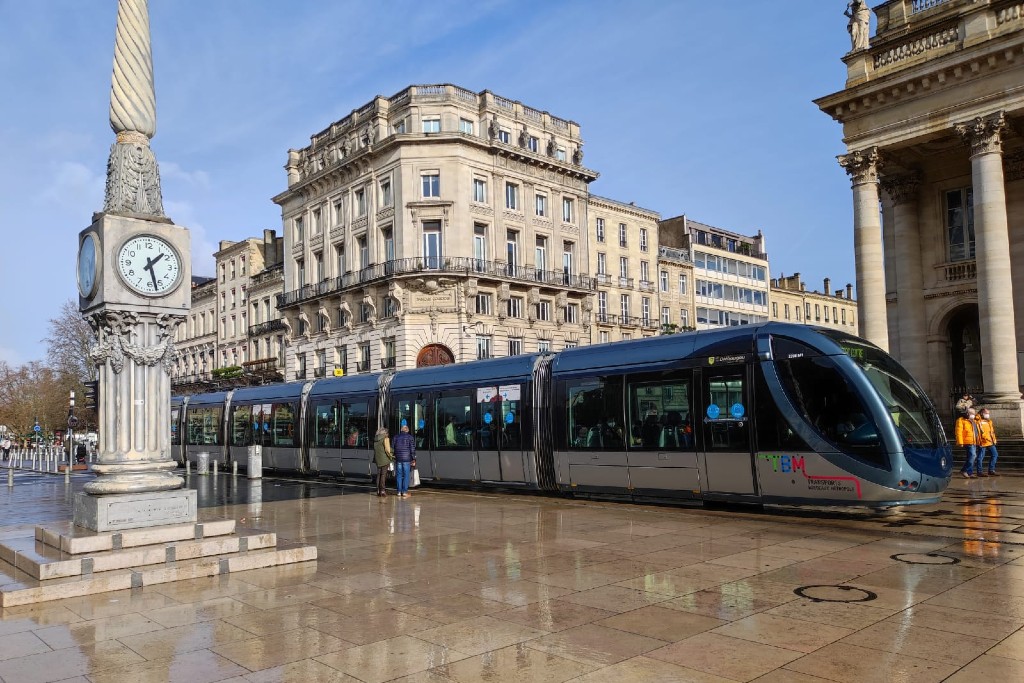
Public transport is an expense category where you can save money by simply not using it.
When I was backpacking Krakow, I didn’t use public transport once. The city was walkable, and everything I needed was within half an hour’s walk.
On the other hand, I gladly paid for a daily metro ticket in Lisbon to avoid climbing the hills for 45 minutes when going home after a day of exploring.
So, how much does public transport cost in Europe?
Some of the cheapest one-way tickets are in Romania, around 0,50€ per ticket. In Oslo, expect to pay around 3,50€ for a one-way ticket.
On average, a 24-hour public transport pass will cost you about 5€. If you plan to use public transport a lot, passes are always a better value option!

Excursions and Attractions
Excursions and attractions are areas where it is almost impossible to suggest a universal budget.
Why?
Simply, because different people consider different things a necessity.
For example, I went to Paris many times. I never climbed the Eiffel Tower, and I don’t think it is a must-do experience.
You might think it doesn’t count as visiting Paris if you didn’t see a view from the Eiffel Tower!
So, how do you budget for excursions and attractions?
Make a list of bucket list experiences you want to have while backpacking across Europe, find them on Get Your Guide, and write down the cost and budget accordingly!
It can be anything: biking in Amsterdam, visiting Alhambra on your Southern Spain itinerary, going to the Louvre to see the Mona Lisa painting, or kayaking in Benagil caves.
In some cities, you might not spend money on experiences, as you will just walk around admiring the surroundings.
In others, you’ll stay under budget withfree walking tours and student discounts! Also, factor in travel days; those will probably be 0€ days.
On average, the budget is €10 to €20 per day for activities.

Money-saving tip: Bring Your Student ID
If you are a student, don’t forget to bring your student ID when backpacking in Europe! Your student ID will grant you discounted access to many tourist attractions, galleries, museums, and more!
Some countries don’t even have a student requirement. For example, all museums in Paris are free to visit for EU citizens under 26 – including the Louvre!
Don’t miss out on activities and excursions, they are also a great way to meet people as a solo traveler!

How Much To Budget For Food In Europe?
Another one where the answer is: it depends on how strict is your budget.
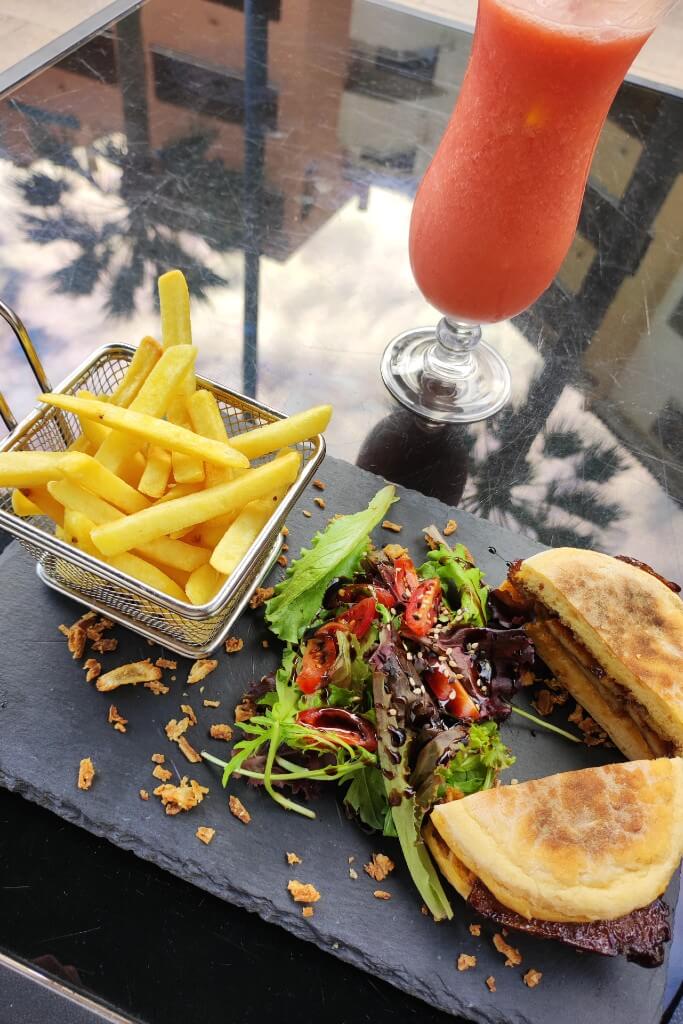
Your food budget for backpacking Europe can be anywhere from €10 to €50 a day.
So, how do you stay on the lower end of that range? You cook your meals in hostel kitchens.
If you want to keep your food budget as low as possible, you’ll want to go to a supermarket when you get to your destination, do your groceries, have breakfast in the hostel, cook dinner, and save leftovers for lunch the next day!
What is the alternative? An average fast food meal will cost 5€ in cheaper countries and 10€ in more expensive countries.
A nice dinner in France starts at around 15€ for a main dish, and I’m vegan.
I usually compromise between these two options by having one meal out a day.
Breakfast is easy to have in a hostel; some hostels even include free breakfast! I specialize in quick hostel dinners – pasta, sandwiches, and wraps.
Lunch is the best meal to have out for many reasons:
- You’re out and about anyway
- Many spots have cheap lunch menus for students and workers
- The lunch menu of the day usually includes a three-course meal for the price of a main dish at dinnertime

Drinking in Europe
Most people don’t budget for nights out and get surprised once they realize how much they spent on drinks!
You can enjoy nights out as a solo female traveler while backpacking, as you’ll probably meet people during your trip. Discovering the city at night is a different experience from during the day.
Now, I don’t party as much as in my early twenties. I know long nights of drinking in clubs are not very probable, and “going for drinks” could easily mean having juice.
However, to get an idea of prices, the cheapest drink to go for is usually beer. It costs anywhere from 3€ to 8€ per pint.
Cocktails in Eastern Europe start at 5€, while it is not uncommon to pay around 15€ per cocktail in France.
Drinks in clubs are more expensive, so expect to pay about 10-15€ per drink, more in expensive cities like London.
There are so many party destinations in Europe that you can stick to those that fit into your budget!
Souvenirs and shopping
For a backpacker who carries all of their things in a backpack, you probably won’t buy as many souvenirs as an average tourist who spends a week at a destination with their large check-in luggage.
I am not a big souvenir person. Likely, I will only get a magnet for my mom or a practical piece of clothing that will remind me of the trip.
Magnets cost from 1-5€, are small, and budget-friendly.

Buffer money
What is buffer money? For me, it is money that covers everything from missing a bus to joining an unexpected pub crawl with your new friends.
It also covers switching a hostel if you choose the wrong one, where you don’t feel safe or comfortable.
Basically, it is the money you don’t plan to spend, but you will be glad to have it in an emergency!
I suggest saving an additional €15 per day of traveling to have with you just in case.
The Cost of Backpacking Europe by Region
It is crucial to remember that backpacking in Europe cost varies greatly depending on the European region you’re visiting.
The difference can be so drastic that one week in Western Europe could cost you the same as a month in Eastern Europe!
So, let’s see where you can save your money and stay on the lower end of your Europe backpacking budget and where it will be more challenging.

Backpacking Eastern Europe Cost
Eastern Europe is the cheapest region to travel to in Europe.
Most Eastern European countries are not EU members, have a weak local currency, and are generally less visited, making them the best European countries to backpack.
If you’re backpacking Europe on a budget, add more Eastern European countries to your itinerary.
Here you will find hostels for around 10€ per night, transport between cities for less than 15€, and a nice meal out for 7-10€.
You’ll find some of the cheapest beaches in Europe here, like Albania and Montenegro.
However, if you’re backpacking Turkey or Albania in the summer, which is the peak season, you might find the prices slightly more expensive.
Countries in this category: Albania, Bosnia and Herzegovina, Bulgaria, Kosovo, Montenegro, Moldova, North Macedonia, Romania, Serbia, Turkey, and Ukraine.
Daily budget for backpacking Eastern Europe: 30-40€
Backpacking Western Europe Cost
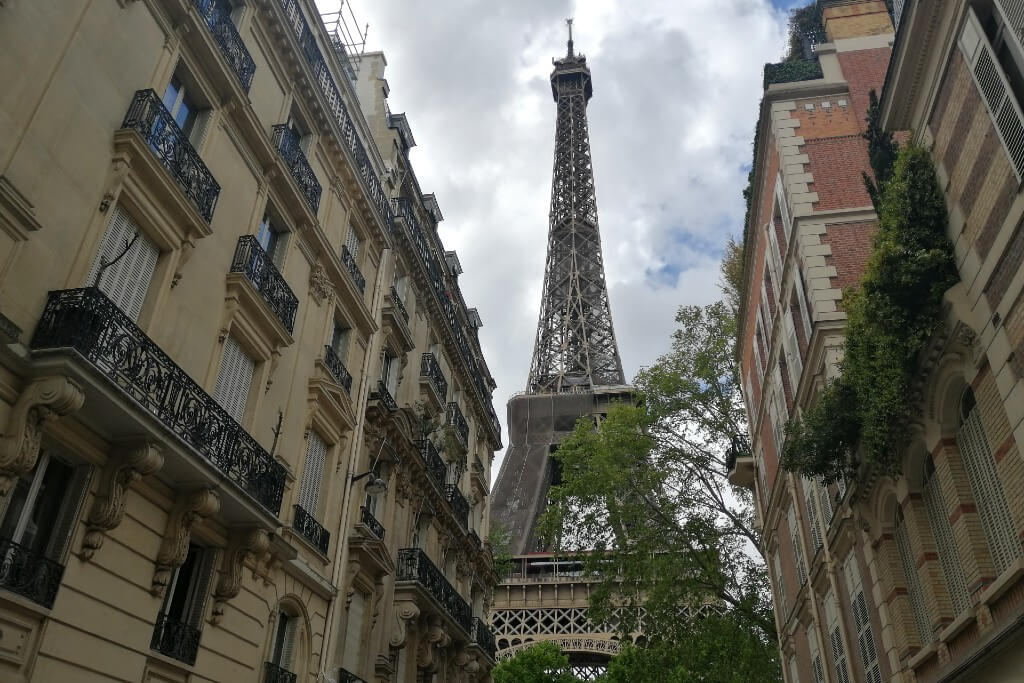
Western Europe is going to test your budgeting abilities. Some of the most popular must-see European cities are in this category: London, Paris, and Amsterdam.
You will find nice social hostels, delicious food, and endless activities in Western Europe.
The bad news is you will need to choose between going on a Bordeaux bike tour with wine tasting or visiting the best vegan restaurant in the city.
Countries in this category: Austria, Andorra, Belgium, France, Germany, Ireland, Luxembourg, Netherlands, United Kingdom,
Daily budget for backpacking Western Europe: 50-80€

Backpacking Central Europe Cost
The countries in Central Europe are a golden medium, cheaper than Western European countries but not as cheap as Eastern Europe.
It also includes Baltic countries, which are obviously not located in Central Europe, but you can expect the same prices.
You can find great hostels for the price of basic ones in Western Europe, drinks are usually half the price, and eating out is relatively affordable.
Some of the most popular party destinations in Europe, such as Budapest and Krakow, are in this category!
Countries in this category: Czechia, Estonia, Hungary, Latvia, Lithuania, Poland, Slovakia, Slovenia
Daily budget for backpacking Central Europe: 40-50€
Backpacking Southern Europe Cost
Countries in Southern Europe are specific when it comes to the cost of backpacking.
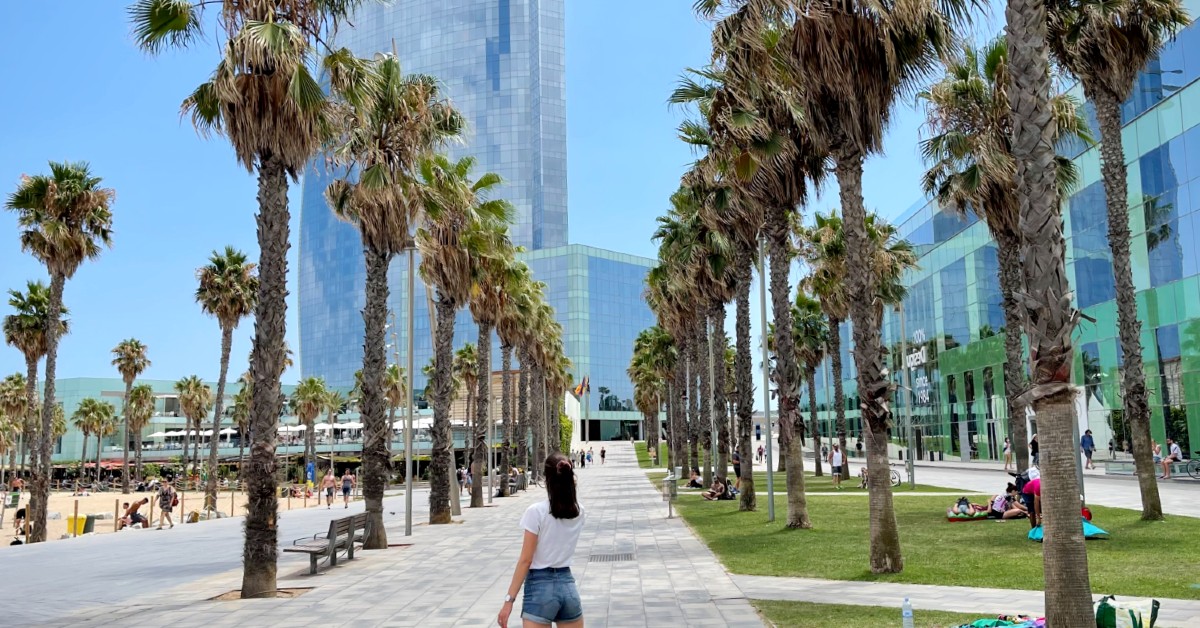
As it includes the Mediterranean countries, a region that is Europe’s most popular summer destination, your budget will greatly depend on when you visit these countries.
Meaning, that if you’re backpacking Europe in summer, the prices skyrocket compared to winter prices.
Also, some activities are a luxury, like going on a sunset cruise in Santorini. At the same time, beaches are completely free!
If you visit off-season, expect prices similar to those in Central European countries. If you’re enjoying European summer, prices are closer to those in Western Europe countries.
Countries in this category: Croatia, Greece, Italy, Malta, Portugal, Spain
Daily budget for backpacking Southern Europe: 40-80€
Backpacking Northern Europe Cost
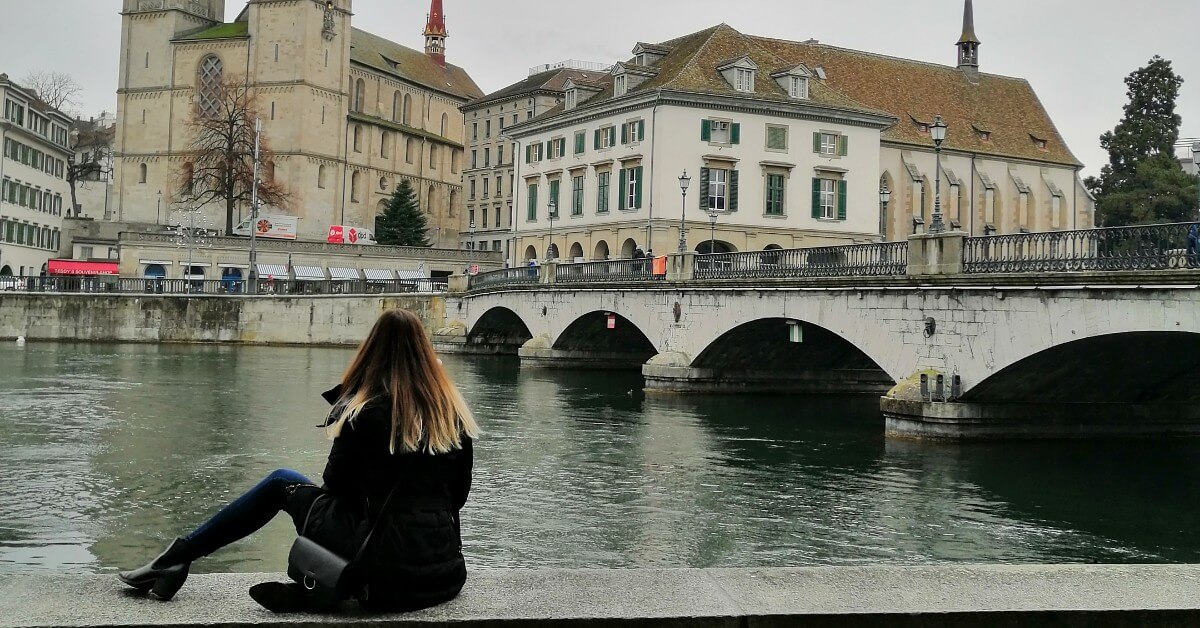
Scandinavian countries are the most expensive countries to visit in Europe. The prices are usually so high most people simply skip this region completely when backpacking in Europe.
So, how do you visit Northern Europe on a budget?
You adapt your budget.
Even if you sleep in a hostel, walk instead of using public transport, and cook all of your meals, you will spend more money than if you’re eating out and taking taxis in the Balkans.
Countries in this category: Denmark, Iceland, Finland, Norway, Sweden, Switzerland
Daily budget for backpacking Northern Europe: 50-80€
Tips to cut down the cost of backpacking across Europe
If looking at these expenses made you rethink whether you can afford to travel to Europe or not, don’t worry!
This backpacking Europe budget is average, which means many people do it with less money.
If you backpack Eastern Europe, your expenses will be much lower. I backpacked Romania for less than 30€ a day, and that included flights, renting a car, and all other expenses!
Here are some ideas on how to keep your trip backpacking across Europe cheap:
1. Travel in the off-season
The easiest way to save money when backpacking Europe, without changing anything else about your spending habits, is to simply travel in the off-season.
Some European countries have strictly defined high and low seasons. As soon as the high season approaches, prices skyrocket.
Summer is the high season for most destinations in Europe. Prices in Croatia, Greece, Spain, and Portugal are almost double in summer compared to winter.
Backpacking Europe in winter usually implies lower costs and fewer crowds.
However, some places like London and Paris don’t have a high or low season.

2. Book in advance
The next best thing you can do if changing the dates is not an option is to book things in advance.
Booking in advance is especially important for transportation around Europe. Bus and train prices increase closer to the departure date.
The price difference can be drastic! I’m talking 20€ train ticket becomes 150€!
3. Pack light to avoid baggage fees
Packing light will save you money throughout your trip, not just when booking your flight!
You will be shocked to see how much you’ll be charged to take your luggage on trains or buses if you can’t fit it above your seat.
While it is unreasonable to expect you’ll be packing personal item only for a month-long backpacking trip, I suggest you at least try to keep it under 50l.

4. Take advantage of student discounts
If you are a student or generally under 26 years old, you’ll be eligible for discounts at many places. So, don’t forget to bring your student ID!
5. Keep track of your budget
The best way to stay on top of your budget is to be aware of your spending.
I have a Google Sheets document where I note everything I spend and put each expense in its designated category/ accommodation, transportation, food, and fun.
However, I know that most people can’t be bothered to have as detailed a budget as I do. The compromise would be to check how much you spent every couple of days, or at least once a week!
This will be easy if you pay by card and can trace back every expense. If you’re mainly using cash it will be hard to itemize your expenses, so the least you can do is note how much you took out and when.
6. Work abroad program
Work abroad programs are a fun way to save money when traveling and meet people to travel with when your friends don’t want to travel.
7. Trusted house sitters
This platform connects people looking for someone to take care of their home while they’re away and those who want to visit their city.
8. Couch surfing
While couch surfing is no longer as popular as it once was, it still exists! It is an interesting way to connect with other travelers willing to host you at their homes, free of charge.
It is a great way to connect with locals and discover the place you’re visiting from a different perspective while saving money on accommodation.
In full honesty, it’s not really my thing, but maybe you’re more adventurous than I am!
9. Avoid weekends in the most popular destinations
I get it, nightlife is one of the main aspects of backpacking.
However, if you want to stay on budget while backpacking Europe this year, you might have to avoid the most popular destinations on the weekends!
I was recently planning my next backpacking adventure, and I was shocked to see that hostel prices in the popular summer destinations like Barcelona or Madrid double on the weekends.
So if the regular price is 40€ per night on Wednesday, the price on Friday or Saturday would be 80-100€!

FAQ: Backpacking in Europe Cost
The average cost of backpacking through Europe is about 50€ a day, excluding the flights. Your average will be higher if you want to backpack Western Europe and spend lots of time in expensive cities like Dublin, London, and Paris. To balance your budget, plan to spend more time in cheaper countries like Poland, Hungary, and Croatia.
Yes, it is possible to travel Europe on $50 a day. Many backpackers do it all the time! However, you will have to adapt your itinerary to spend more time in cheaper countries, limit eating out in expensive cities like Paris or London, and stay in hostels instead of hotels.
Yes, 100 euros a day is enough in most European countries. Even in the more expensive European countries, 100€ will easily cover the cost of a hostel bed, food if you don’t eat all of your meals out, and activities if you don’t visit a paid attraction every day.
How much it costs to backpack Europe for 1 month will depend solely on your itinerary, but on average, it is about 1.500€ or 50€ a day. If you want to backpack in Western Europe, your Europe travel budget per day will be close to 100€ a day. However, if you backpack in Balkan countries, it will be around 30€ a day.
If you’re backpacking Europe for 2 months, you should budget anywhere from 2000€ to 3000€. Your trip can be cheaper depending on the time of the year you travel and the countries you are visiting. In Eastern Europe, expect to spend 30-40€ a day. In Western Europe, the average is 50-60€ per day.
Final Thoughts: How Much Does Backpacking Europe Cost?
And there you have it, the average cost to backpack through Europe this year.
While it is impossible to know exactly how much to budget per day in Europe, 40-80€ a day should cover most of your expenses. Where you’ll be on that range will depend on the region you visit.
Your most significant backpacking through Europe cost will be transportation and accommodation, so book those in advance to get the best deal.
Try slow travel; spending more time in one place will allow you to save on transportation costs. If you have your heart set on seeing as much of the continent as possible, consider a Eurail Global Pass.
The cost of backpacking in Western Europe is significantly higher than in Easter Europe, so your daily budget will greatly depend on where in Europe you are.
So, where are you going first? These are the best places to backpack in Europe that should be on your itinerary!