Istria or Dalmatia: How To Decide Where To Go?
Trying to decide between Istria and Dalmatia for your summer trip to Croatia?
As a Croatian who has lived in both regions and explored every corner, I’m here to help!
Croatia might be a small country, but these two coastal regions are surprisingly different.
Both Istria and Dalmatia have stunning coastlines, historic towns, and amazing food, but each has its own unique charm.
Istria is perfect for a relaxed, scenic getaway, while Dalmatia is livelier, packed with famous cities and stunning islands
Disclaimer: This post may contain affiliate links, which means I may receive a commission, at no extra cost to you, if you purchase through a link. See my Disclosure Policy for more information.


Overview: Istria vs Dalmatia
Istria, located in the northwest, has a strong Italian influence, picturesque hilltop villages, and a more laid-back atmosphere.
Dalmatia, on the other hand, is home to Croatia’s most famous islands, bustling summer nightlife, and stunning monuments.
| ISTRIA | DALMATIA |
|---|---|
| Relaxed year-round holidays, scenic villages | Famous landmarks, island hopping, nightlife |
| Pula, Rovinj, Brijuni National Park | Dubrovnik, Split, Krka National Park |
| Laid-back, Italian influence, cultural | Lively, historic, vibrant coast |
Tourist Attractions
Winner: Dalmatia

Things To Do In Istria
Istria has plenty to offer year-round—here are some of the highlights.
- Pula Arena – One of the things to see in Pula is Arena, one of the best-preserved Roman amphitheaters in the world.
- Brijuni National Park – A stunning archipelago with lush greenery, wildlife, and historical sites.
- Rovinj – A picturesque coastal town with Venetian architecture, narrow cobblestone streets, and breathtaking sunsets.
- Boat Tours – Explore Istria’s coastline and the Lim Fjord on a fun boat tour.
- Hilltop Villages – Visit Motovun and Grožnjan, which are some of Istria’s best hidden gems with incredible views and medieval charm.

Things To Do In Dalmatia
The most famous landmarks in Croatia are in the Dalmatia region. If you want to see the iconic spots in the country, you should go to Dalmatia.
- Dubrovnik – The most famous (and expensive) city in Croatia, known for its medieval walls and Game of Thrones filming locations.
- Split – Home to Diocletian’s Palace, lively markets, and beautiful beaches.
- Zadar – A mix of Roman and Venetian heritage, with the famous art installations Sea Organ and Sun Salutation make Zadar worth visiting.
- National Parks –There are 4 National Parks in Dalmatia: Kornati, Krka, Paklenica, and Mljet.
- Island Hopping – Easily one of the best things to do in Croatia in the summer. Visit Hvar, Brač, Vis, and Korčula for crystal-clear waters and vibrant island culture.
Getting There
Winner: Dalmatia
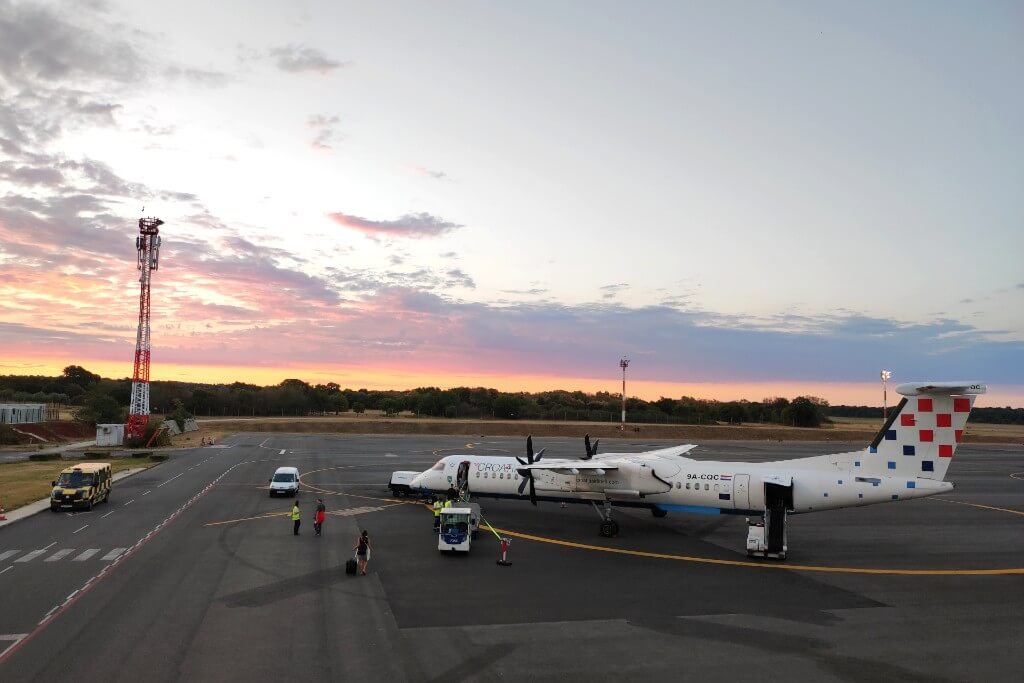
Dalmatia has more international connections, with airports in Dubrovnik, Split, and Zadar offering flights from all over Europe.
Istria has one main airport in Pula, but you can also reach it by car or bus from Slovenia, Italy, Germany, and other nearby countries. This makes it an excellent destination for road trips.
Dalmatia is well connected by air, but buses can be tricky—especially if you’re heading to Dubrovnik.
That said, Dalmatia is an ideal region for a road trip, with scenic coastal drives and ferry connections to the islands.
The Croatian coast is long, but getting between regions is easy—you can take a ferry from Pula to Zadar or hop on a quick domestic flight.
Accommodation Options
Winner: Both
Croatia is such a tourism-oriented country that you’ll find accommodation options for every budget everywhere.

Where to stay in Istria?
Istria has several great places to stay, depending on your travel style:
- Pula – Overall, the best place to stay, with historic sites, great beaches, and easy public transport.
- Rovinj – A charming coastal town with romantic old-town charm and excellent beaches, if you visit Istria without a car.
- Poreč – Ideal for beach lovers, with all-inclusive resorts and plenty of activities.
- Motovun – A great place to stay to escape the crowds and for a unique atmosphere.
- Umag – A great choice for relaxation, known for its beautiful coastline and events.
Where to stay in Dalmatia?
It’s hard to narrow down the best towns to visit in Dalmatia, as it offers diverse options depending on your interests:
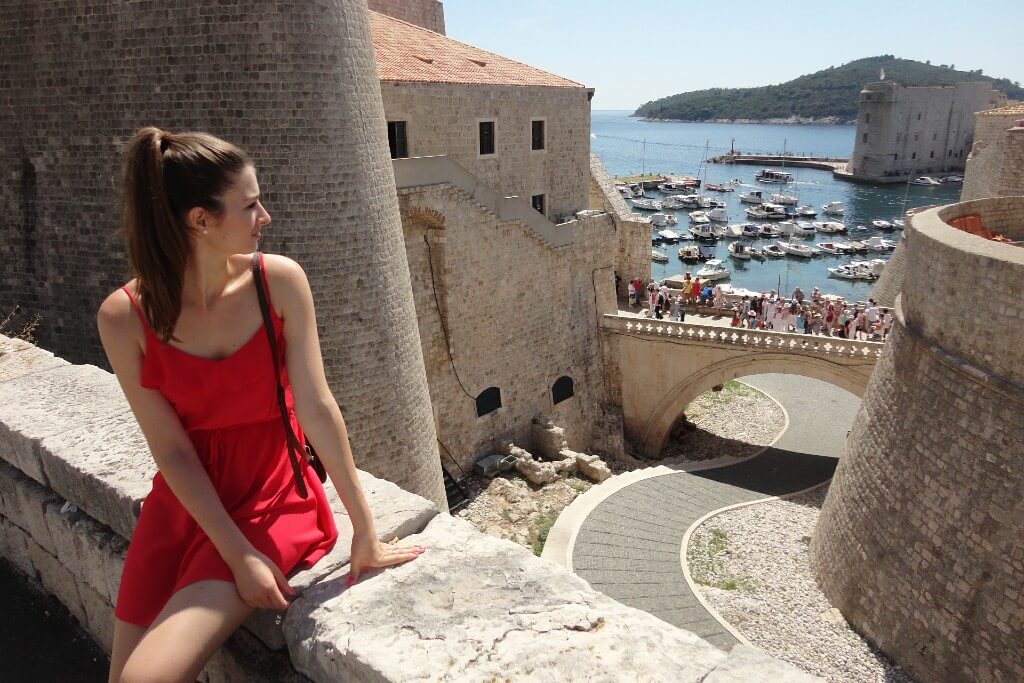
- Dubrovnik – The most popular town in Croatia, known for its unique history and stunning views, perfect for a 3 day getaway.
- Split – The largest coastal city in Croatia, with great nightlife, beaches, and cultural sites.
- Zadar – A charming coastal town situated about halfway down the coastline, with Roman ruins and a relaxed vibe.
- Hvar – A vibrant island known for its nightlife and luxury resorts, especially a popular spot on sailing tours.
- Makarska – Ideal for beach and nightlife lovers, especially popular with locals for more affordable accommodation options.

Getting Around
Winner: Istria
The best way to explore both Istria and Dalmatia is by car, as it allows you to visit more remote beaches, villages, and national parks at your own pace.
However, you can easily visit Croatia without a car, as public transportation works great too.
The roads in Istria are well-maintained, and the distances between towns are short, making driving easy and enjoyable.
I’ve driven all over Istria, and the local roads are usually quiet, making it an easy and stress-free drive.
Renting a car is the best way to explore Dalmatia, especially if you want to see multiple locations in one day.
However, you’ll need to factor in that local roads in Dalmatia get super crowded in the summer and it takes much longer to get from one place to another than it might seem.
Larger cities like Split, Dubrovnik, and Zadar have good public transport, and there are regular buses connecting major tourist spots.
If you’re staying in coastal cities, ferries and catamarans are an easy way to explore nearby islands.

Nightlife
Winner: Dalmatia
Dalmatia is famous for its summer nightlife, especially on the islands.
Hvar is home to some of the best beach clubs and bars in Croatia, attracting partygoers from around the world.
Split and Dubrovnik also have lively nightlife scenes, with plenty of bars, clubs, and open-air events during the tourist season.
Istria has a nightlife scene too, but it’s more low-key compared to Dalmatia
Pula and Rovinj have lively bars and beach clubs, but the vibe is more relaxed compared to Dalmatia.
I know many people from Istria who go to Dalmatia for a weekend during the summer to enjoy the nightlife.

Cost of travel
Winner: Istria
Prices in both regions are fairly similar, but some areas and activities are more expensive than others.
Dubrovnik, Hvar, and Split tend to have higher accommodation and dining prices, especially during peak season, as they try to appeal to luxury travelers.
That said, budget travelers can still find plenty of hostels and affordable guesthouses. Still, eating out and activities can add up.
Prices are higher on the islands since everything has to be imported.
While still touristy, Istria can be slightly more budget-friendly, particularly outside the main cities and further from the coast.
If you rent a house with several people in one of the smaller villages, cook your own food, and have a car to get around, Istria can be one of the cheapest European beach destinations.
However, luxury resorts in Rovinj and Poreč can be just as pricey as those in Dalmatia.
Generally, I noticed that prices for eating out and getting drinks in bars are similar wherever you go.
Better For Backpackers
Winner: Dalmatia
Dalmatia is much more popular with those backpacking Croatia due to its extensive hostel scene, social atmosphere, and easy access to major attractions.
There are plenty of backpacker hostels in Split, Dubrovnik, and Zadar, making it easy to meet other travelers.
Activities like island hopping add an adventurous element to a trip.
Istria is less of a traditional backpacker destination but still offers budget accommodation and a laid-back vibe.
There are several hostels in Pula, but not in other cities, so it might be complicated for solo travelers.

Istria is better for you….
Istria is generally a better choice for couples, families, or solo travelers looking for a relaxed experience.
It’s for those who prefer enjoying nature and exploring small villages rather than hopping between big tourist hubs.
If you like quieter coastal towns and charming hilltop villages, Istria will offer a more peaceful and scenic experience.
The region is especially great in the shoulder season when you can explore without crowds and enjoy pleasant weather.

Dalmatia is better for you…
At the same time, Dalmatia is absolutely stunning and the place to go if you want to see Croatia’s most iconic sights and visit its most popular towns.
Its longer warm season makes it a great destination for beachgoers even in September and early October.
Dalmatia also appeals to younger travelers and those looking for a livelier atmosphere, with bustling cities, island parties, and an exciting mix of history and entertainment.
Should you visit both Istria and Dalmatia?
Sure! Visiting both Istria and Dalmatia allows you to get a more complete impression of Croatia as a tourist destination.
While both are coastal regions, they have different histories, landscapes, and monuments to explore.
Final Thoughts: Dalmatia or Istria
Both Istria and Dalmatia offer incredible travel experiences, each with its own distinct appeal.
Istria is the perfect choice if you’re looking for a quieter, scenic holiday with a mix of coastal beauty and charming hilltop villages.
Dalmatia is the perfect pick for iconic landmarks, vibrant nightlife, and the thrill of island hopping.
At the end of the day, both regions have so many incredible places to visit, each offering a unique experience.
No matter which one you choose, you’re sure to find something that suits you!
Want to compare specific cities next?